Right Guard Total Defence 5 Fresh Antiperspirant Deodorant 250ml vs Rexona Cotton Dry Body Spray 200ml
CheckTag rates them about the same (3.0 and 3.0 out of 5). The differences are in the details below.
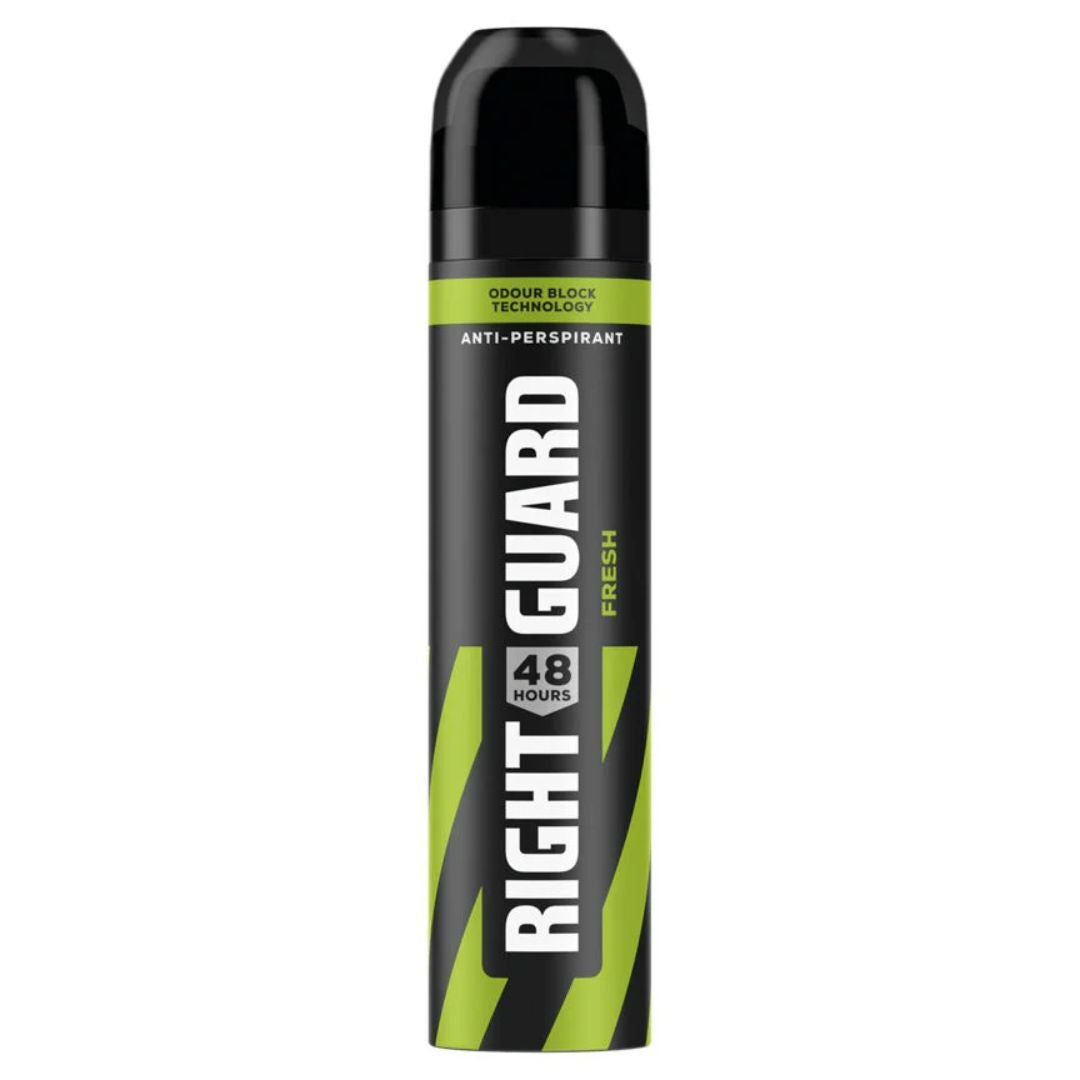
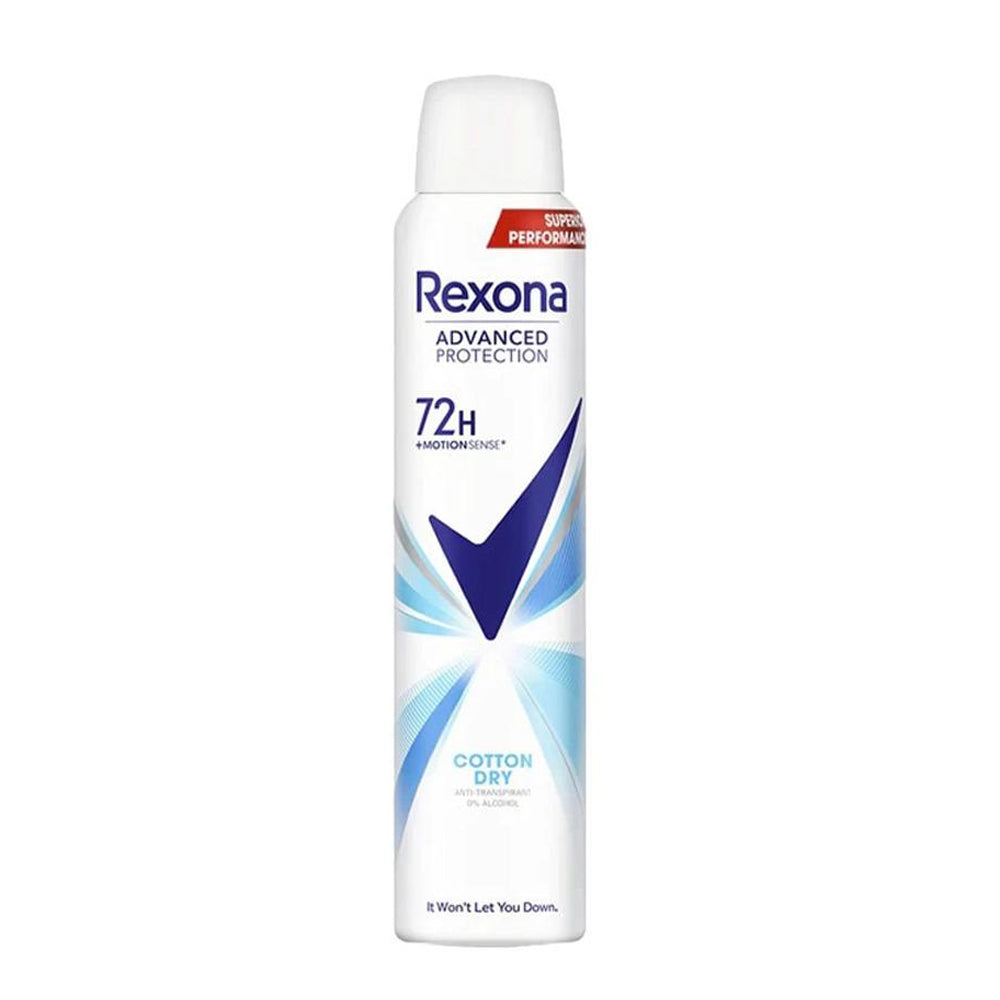
Side by side
| Right Guard Total Defence 5 Fresh Anti… | Rexona Cotton Dry Body Spray 200ml | |
|---|---|---|
| CheckTag rating | 3.0/5 | 3.0/5 |
| Shopper reviews | No reviews yet | No reviews yet |
| Flagged ingredients | 5 | 4✓ |
| Ingredients listed | 7 | 6 |
| Allergens | — | — |
| Net quantity | — | — |
| Safety note | Yes | Yes |
Ingredients worth a second look
- Aluminum Chlorohydrate (Antiperspirant Active) — Effectively reduces perspiration by blocking sweat ducts temporarily; while effective for keeping dry, there are ongoing debates about its link to breast cancer and other health issues with prolonged use, though many regulatory bodies consider it safe. Can cause irritation for very sensitive skin.
- Butane (Aerosol Propellant) — Hydrocarbon gas used to propel the spray; safe for topical application but highly flammable and inhalation of concentrated amounts can lead to dizziness, nausea or heart irregularities. Poses environmental concerns as VOC.
- Isobutane (Aerosol Propellant) — Similar to butane in function and risks; used for pressure in the can, low direct health impact on skin but avoid inhaling and keep away from ignition sources due to extreme flammability.
- Propane (Aerosol Propellant) — Third propellant gas in the mix for optimal spray; flammable with risk of explosion if mishandled. Topical use is not associated with major health issues but contributes to air pollution when released.
- Parfum (Fragrance) — Creates the fresh scent profile; potential to cause allergic contact dermatitis or respiratory irritation in sensitive individuals. Exact composition unknown which is a concern for those with multiple chemical sensitivities.
- Butane (Aerosol Propellant) — Primary dispensing gas that enables spray application; highly flammable and may cause dizziness, headaches or respiratory irritation upon direct inhalation, though typical skin use presents low systemic risk if used in ventilated areas.
- Aluminum Chlorohydrate (Antiperspirant Active) — Temporarily plugs sweat ducts to reduce perspiration for up to 72 hours; effective for dryness but carries ongoing debate about potential skin absorption of aluminum and possible links to hormonal or neurological concerns despite regulatory approval for cosmetic use.
- Parfum (Fragrance with Cotton Accord) — Delivers pleasant fresh scent to mask odors; provides sensory benefit but often contains undisclosed allergens that can trigger contact dermatitis, sensitization or respiratory responses in fragrance-sensitive individuals.
- BHT (Antioxidant Preservative) — Prevents formula oxidation for shelf stability; safe at low cosmetic concentrations but subject to caution due to animal studies suggesting potential carcinogenic or endocrine effects at high exposures, leading some consumers to avoid it.
What's different inside
They share 4 ingredients.
Isobutane (Aerosol Propellant), Propane (Aerosol Propellant), Disteardimonium Hectorite (Viscosity Control Agent)
Aluminum Chlorohydrate (Antiperspirant Active), Butane (Aerosol Propellant), PPG-14 Butyl Ether (Emollient), Parfum (Fragrance)
Cyclopentasiloxane (Volatile Silicone Carrier), BHT (Antioxidant Preservative)
More comparisons
- Right Guard Total Defence 5 Fresh Anti… vs نیوآ Nivea Men Deep Roll On
- Right Guard Total Defence 5 Fresh Anti… vs Nivea Men Dry Impact Anti-Perspirant Roll On 50ml
- Right Guard Total Defence 5 Fresh Anti… vs Right Guard Total Defence 5 Sport Antiperspirant Deodorant 250Ml
- Right Guard Total Defence 5 Fresh Anti… vs Storm For Men Hawk Eye Body Spray
- Right Guard Total Defence 5 Fresh Anti… vs Nivea Men Deep Dry & Clean Feel Deodorant Spray 200ml
Scan before you buy
CheckTag shows what's inside any product, how it rates, and what other shoppers say. Free on iPhone and Android, or right inside Telegram and WhatsApp.
Ratings and ingredient notes are generated by AI from the product's available data — a guide, not a diagnosis. Always check the product's own label, and follow your doctor or pharmacist for medicines.